Exploring the world of smart thermostats and finding the best buy can be a daunting task. With a plethora of options available, understanding the key features, installation process, user-friendly interface, and energy-saving capabilities is crucial. Let's delve into the realm of smart thermostats to uncover the ultimate choice for your home.
Smart Thermostat Features
Smart thermostats come with a variety of features that set them apart from traditional thermostats. These features not only make them more convenient to use but also help in saving energy and reducing utility costs.
Remote Access and Control
Smart thermostats allow users to control the temperature of their homes remotely using a smartphone app or a web portal. This feature is beneficial for those who want to adjust their home's temperature while away or for those who frequently forget to adjust the thermostat before leaving the house.
Learning Capabilities
Some smart thermostats have learning capabilities that enable them to learn the household's schedule and temperature preferences. This feature helps in automatically adjusting the temperature based on the occupants' habits, leading to energy savings without sacrificing comfort.
Integration with Smart Home Systems
Many smart thermostats are compatible with popular smart home systems like Amazon Alexa, Google Assistant, and Apple HomeKit. This integration allows users to control the thermostat using voice commands and to create automated routines that optimize energy usage.
Energy Usage Reports
Certain smart thermostats provide detailed energy usage reports that help users track their heating and cooling consumption. By analyzing these reports, users can identify areas where energy can be saved and make adjustments accordingly to reduce their overall energy bills.
Geofencing Technology
Some smart thermostats utilize geofencing technology to detect when occupants are leaving or returning home. This feature allows the thermostat to adjust the temperature settings automatically based on the occupants' location, ensuring comfort and energy efficiency.
Installation Process
Installing a smart thermostat can help you save energy and make your home more comfortable. Here are the general steps involved in the installation process along with some tips and common challenges to be aware of.
Compatibility Checks
Before you begin the installation process, it's important to check the compatibility of the smart thermostat with your existing HVAC system. Make sure to read the manufacturer's guidelines and specifications to ensure a seamless installation.
General Steps
- Turn off the power to your HVAC system at the breaker.
- Remove the old thermostat carefully, noting the wire placements.
- Mount the new thermostat base and connect the wires according to the manufacturer's instructions.
- Attach the smart thermostat display and power on your HVAC system to test the connection.
- Follow the setup instructions on the smart thermostat display to connect to your Wi-Fi network and customize settings.
- Download the accompanying app on your smartphone to control the thermostat remotely.
Tips for Successful Installation
- Take a picture of the wiring before disconnecting the old thermostat for reference.
- Label the wires with the corresponding letters or colors to avoid confusion during installation.
- Ensure a strong Wi-Fi signal near the thermostat location for seamless connectivity.
- Double-check the compatibility of the smart thermostat with your HVAC system before purchasing.
Common Challenges
- Incorrect wiring connections can lead to malfunctions or system damage, so be sure to follow the instructions carefully.
- Issues with Wi-Fi connectivity may arise if the signal is weak or the network is unstable. Consider installing a Wi-Fi extender if needed.
- Compatibility issues with older HVAC systems may require professional assistance or additional accessories for proper installation.
User-Friendly Interface

A user-friendly interface plays a crucial role in enhancing the overall experience of using a smart thermostat. It allows users to easily navigate through different settings, make adjustments, and monitor their home's temperature without any hassle.
Intuitive Interfaces from Popular Smart Thermostat Brands
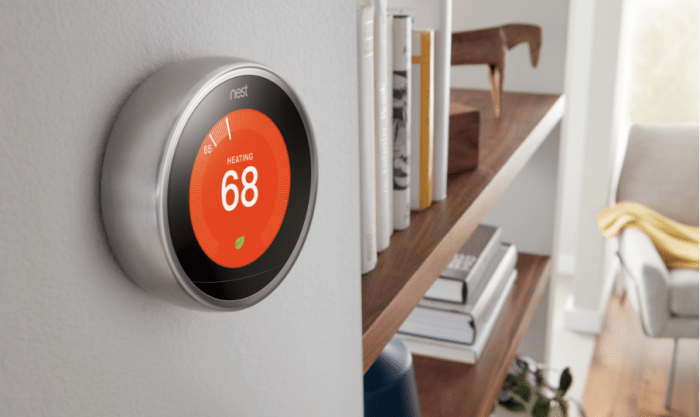
- Nest Learning Thermostat: The Nest thermostat features a simple and sleek interface that displays the current temperature, weather forecast, and allows users to adjust settings with just a few taps on the screen. The intuitive design makes it easy for users to program schedules and control their home's temperature remotely.
- Ecobee SmartThermostat: Ecobee's smart thermostat comes with a user-friendly interface that includes a touchscreen display and voice control options. Users can easily set up personalized schedules, view energy usage reports, and make adjustments using the intuitive menu layout.
- Honeywell Home T9 Smart Thermostat: Honeywell's T9 thermostat features a user-friendly interface that allows users to create custom heating and cooling schedules, adjust temperature settings, and receive alerts for maintenance reminders. The touchscreen display makes it easy to navigate through different options and settings.
Importance of a User-Friendly Interface
A user-friendly interface is essential for a seamless user experience as it allows individuals, regardless of their technical expertise, to effectively use and control their smart thermostat. An intuitive interface reduces the learning curve, enhances accessibility, and ensures that users can easily adjust settings, monitor energy usage, and optimize their home's temperature for comfort and efficiency.
Energy Saving Capabilities
Smart thermostats are equipped with advanced features that help in saving energy and reducing utility bills. By optimizing settings for maximum energy efficiency, users can make a significant impact on both their energy consumption and costs. Additionally, the use of smart thermostats can have a positive effect on environmental sustainability by reducing overall energy usage.
Tips for Optimizing Settings
- Set a schedule: Program your thermostat to adjust the temperature based on your daily routine. Lower the temperature when you are away from home or sleeping to save energy.
- Utilize remote access: Take advantage of the ability to control your thermostat from anywhere using a mobile app. This allows you to make adjustments on the go and avoid unnecessary energy consumption.
- Enable learning features: Some smart thermostats have learning capabilities that adapt to your preferences over time. By allowing the thermostat to learn your habits, you can maximize energy savings without sacrificing comfort.
Environmental Impact
Smart thermostats play a key role in promoting environmental sustainability by reducing energy waste. By efficiently managing heating and cooling systems, these devices help lower carbon emissions and contribute to a greener future. Making the switch to a smart thermostat is a simple yet impactful step towards reducing your carbon footprint and protecting the environment for future generations.
Conclusive Thoughts
In conclusion, smart thermostats offer a blend of cutting-edge technology and energy efficiency, making them a valuable addition to any home. By choosing the right model with the features that best suit your needs, you can enhance comfort, save on energy costs, and contribute to a sustainable future.
Make the smart choice with a smart thermostat best buy today.
FAQ
What are the key features that set smart thermostats apart?
Smart thermostats offer features like remote control, learning capabilities, and energy usage reports, enhancing convenience and efficiency.
How do I ensure a successful installation of a smart thermostat?
Before installation, check compatibility with your HVAC system, follow the manufacturer's instructions, and consider professional installation if needed.
Which smart thermostat brands offer user-friendly interfaces?
Brands like Nest, Ecobee, and Honeywell are known for their intuitive interfaces that make controlling the thermostat a breeze.
How can a smart thermostat help in saving energy?
Smart thermostats optimize temperature settings, adapt to your schedule, and provide energy usage insights, leading to reduced energy consumption and lower utility bills.
What impact can using a smart thermostat have on environmental sustainability?
By reducing energy waste and promoting efficient heating and cooling practices, smart thermostats contribute to a greener environment and lower carbon footprint.