Embark on a journey through the realm of affordable home siding options, where we unravel the intricacies of different materials and installation methods. This guide aims to provide you with valuable insights to help you make informed decisions for your home.
Types of Affordable Siding Options
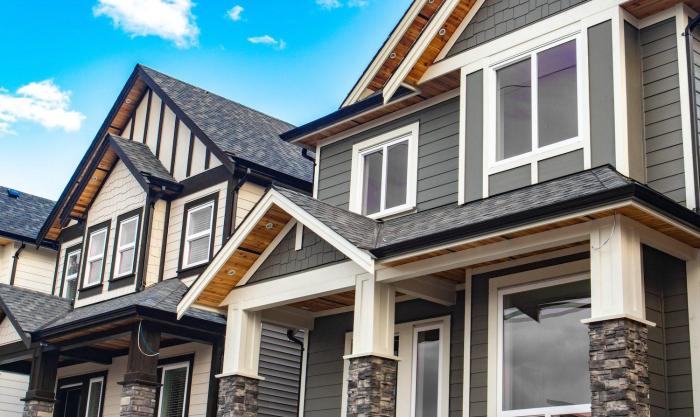
When it comes to affordable siding options for your home, there are several materials to consider. Each type has its own advantages and disadvantages, as well as specific maintenance requirements and durability factors to keep in mind.
Vinyl Siding
- Pros: Cost-effective, low maintenance, comes in a variety of colors and styles.
- Cons: Not as durable as other materials, can crack or fade over time.
Vinyl siding is a popular choice for homeowners looking for a budget-friendly option that still offers versatility in design.
Fiber Cement Siding
- Pros: Durable, fire-resistant, can mimic the look of wood or stucco.
- Cons: Higher initial cost, requires painting or resealing over time.
Fiber cement siding is a long-lasting option that can provide a high-end look without breaking the bank.
Engineered Wood Siding
- Pros: Affordable, eco-friendly, easy to install.
- Cons: Prone to rot and moisture damage if not properly maintained.
Engineered wood siding is a good compromise between cost and aesthetics, but it does require regular upkeep to prevent damage.
Metal Siding
- Pros: Very durable, low maintenance, resistant to pests and fire.
- Cons: Can dent or scratch easily, limited design options.
Metal siding is a practical choice for those looking for a long-lasting and sturdy siding material that won't require constant upkeep.
Stucco Siding
- Pros: Excellent durability, energy-efficient, fire-resistant.
- Cons: Higher installation costs, can crack over time.
Stucco siding is a more expensive upfront investment, but its durability and energy efficiency can make it a cost-effective choice in the long run.
Cost-Effective Siding Materials
When it comes to cost-effective siding materials, options like vinyl, fiber cement, and engineered wood are popular choices for homeowners looking to enhance their homes without breaking the bank.Vinyl siding is known for its affordability, with a lower initial cost compared to other materials.
It is also easy to install, reducing labor expenses. While it may require more maintenance over time, the long-term value of vinyl siding makes it a budget-friendly option for many homeowners.Fiber cement siding, on the other hand, has a higher initial cost than vinyl but offers excellent durability and low maintenance.
Although the installation expenses may be higher, the long-term value of fiber cement siding often outweighs the upfront investment, making it a cost-effective choice in the long run.Engineered wood siding provides the look of real wood at a more affordable price point.
While it may require periodic painting or staining, the overall cost remains relatively low compared to natural wood siding. With proper care, engineered wood siding can last for many years, offering a cost-effective solution for homeowners seeking a traditional aesthetic without the high price tag.
Tips for Finding Budget-Friendly Options
- Compare quotes from multiple contractors to find the best price for installation.
- Consider purchasing materials in bulk or during sales to save on costs.
- Explore different siding styles and finishes to find affordable options that suit your home's aesthetic.
- Look for rebates or incentives offered by manufacturers or government programs to offset some of the expenses.
- Consult with a siding specialist to determine the most cost-effective solution based on your budget and requirements.
DIY vs. Professional Installation
When it comes to installing affordable siding options, you have the choice between doing it yourself (DIY) or hiring professionals. Both options have their own set of advantages and disadvantages, depending on your skills, time, and budget.DIY installation allows you to save money on labor costs and gives you the satisfaction of completing a home improvement project on your own.
However, it requires time, effort, and the right tools to ensure a proper installation. On the other hand, hiring professionals may cost more upfront, but they have the expertise and experience to get the job done efficiently and effectively.
Advantages and Disadvantages of DIY Siding Installation
- Advantages:
- Cost-effective as you save on labor costs
- Personal satisfaction of completing the project
- You can work on your own schedule
- Disadvantages:
- Requires time, effort, and specific tools
- Risk of improper installation leading to future issues
- Lack of professional expertise
Steps for DIY Siding Installation
- Prepare the surface by cleaning and repairing any damage
- Measure and cut the siding panels to fit
- Install the starter strip and corner pieces
- Attach the siding panels according to the manufacturer's instructions
- Finish with trim pieces and sealants
When to Hire Professionals for Siding Installation
- Complex or multi-story installations that require specialized equipment
- Limited time or availability to complete the project on your own
- Concerns about proper installation and long-term durability
Energy Efficiency and Insulation
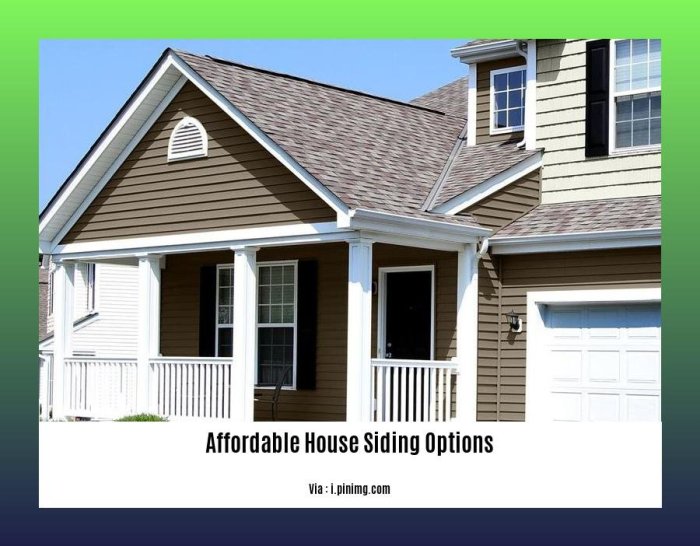
When it comes to affordable siding options, considering energy efficiency and insulation is crucial for maintaining a comfortable home while saving on energy costs.
Impact of Siding Materials on Energy Efficiency
- Vinyl siding is a popular choice known for its energy efficiency as it helps in maintaining indoor temperatures, reducing the need for heating or cooling.
- Fiber cement siding provides excellent insulation properties, helping to keep the interior of the home warm in winter and cool in summer.
- Wood siding, while aesthetically pleasing, may require additional insulation to match the energy efficiency of other materials.
Importance of Insulation in Affordable Siding Options
- Proper insulation in siding helps in reducing heat transfer, preventing energy loss, and lowering utility bills.
- Choosing siding materials with built-in insulation can be a cost-effective way to enhance energy efficiency without the need for additional insulation installation.
- Insulation also plays a key role in maintaining a consistent indoor temperature and improving overall comfort levels in the home.
Tips on Selecting Energy-Efficient Siding Materials
- Look for siding materials with high R-values, indicating better insulation capabilities.
- Consider insulated vinyl siding or fiber cement siding for a good balance of energy efficiency and affordability.
- Explore options like engineered wood siding that offer improved insulation properties compared to traditional wood siding.
Conclusion
As we conclude our exploration of affordable home siding options, it becomes evident that with the right knowledge, one can enhance their home's aesthetics and functionality without breaking the bank. Armed with this information, you are better equipped to transform your living space with cost-effective solutions.
FAQ Explained
What are the most common types of affordable home siding options?
Common types include vinyl, fiber cement, and engineered wood siding.
How do the different siding materials vary in terms of durability?
Vinyl siding is known for its low maintenance and durability, while fiber cement offers excellent longevity.
Is it cost-effective to opt for DIY siding installation?
DIY installation can be cost-effective if you have the skills and tools, but professional installation ensures quality work.
What role does insulation play when choosing affordable siding options?
Insulation is crucial as it helps improve energy efficiency and reduce heating and cooling costs.
How can one find budget-friendly siding options without compromising quality?
Researching different materials, comparing prices, and looking for discounts or promotions can help find affordable yet quality siding options.