As metal siding for houses takes center stage, this opening passage beckons readers into a world crafted with good knowledge, ensuring a reading experience that is both absorbing and distinctly original.
Metal siding offers a versatile and durable option for residential construction, with a range of benefits that set it apart from traditional materials. Let's delve into the fascinating world of metal siding for houses.
Introduction to Metal Siding for Houses
Metal siding is a popular choice for residential construction due to its durability, low maintenance, and aesthetic appeal. This type of siding is typically made from aluminum, steel, zinc, or copper and is designed to protect the exterior of a house from the elements.Metal siding offers several benefits over other materials such as wood or vinyl.
It is resistant to rot, insect damage, and fire, making it a long-lasting option for homeowners. Additionally, metal siding is available in a wide range of colors and styles, allowing for customization to match any architectural design.
Popular Types of Metal Siding
- Aluminum Siding: Lightweight and corrosion-resistant, aluminum siding is a cost-effective option for homeowners. It can be painted or coated for added protection.
- Steel Siding: Known for its strength and durability, steel siding is a popular choice for areas prone to extreme weather conditions. It can be embossed or textured to mimic the look of wood or other materials.
- Zinc Siding: Zinc siding is a sustainable option that develops a natural patina over time, giving it a unique and weathered appearance. It is low maintenance and resistant to corrosion.
- Copper Siding: Copper siding is a high-end option that adds a luxurious and distinctive look to a home. It is durable, lightweight, and develops a striking blue-green patina over time.
Installation Process of Metal Siding
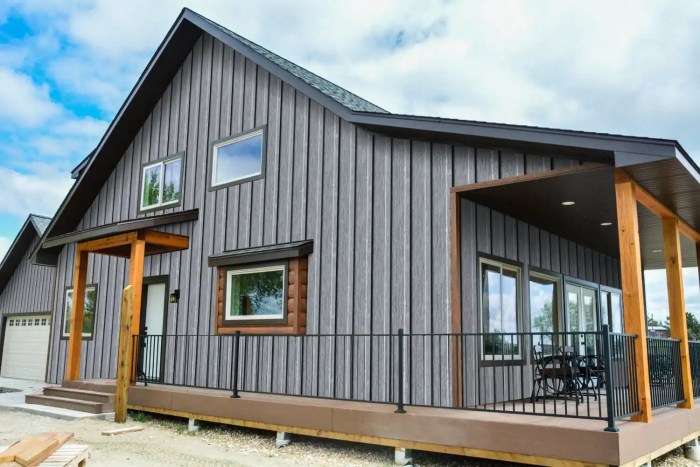
Metal siding installation is a crucial step in enhancing the durability and aesthetic appeal of a house. It involves several key steps, the use of specific tools and materials, and careful attention to detail to ensure a seamless and long-lasting finish.
Preparation and Planning
Before beginning the installation process, it is essential to carefully plan and prepare the area where the metal siding will be installed. This includes measuring the dimensions of the walls accurately, ensuring proper ventilation, and inspecting the existing surface for any damage or rot.
- Ensure all necessary permits are obtained before starting the installation.
- Clean the surface thoroughly to remove any dirt, debris, or peeling paint.
- Inspect the sheathing and repair any damaged areas to provide a solid base for the siding.
Tools and Materials
To successfully install metal siding, you will need a specific set of tools and materials to ensure a smooth and efficient process.
| Tools | Materials |
|---|---|
| - Tape measure | - Metal siding panels |
| - Level | - J-channels |
| - Tin snips | - Starter strips |
| - Screw gun | - Trim pieces |
| - Ladder | - Nails or screws |
Installation Steps
- Start by installing the starter strips at the bottom of the wall to provide a secure base for the siding panels.
- Secure the J-channels along the edges of the walls to hold the siding panels in place.
- Overlap the siding panels correctly, ensuring they are level and aligned for a seamless finish.
- Trim the panels as needed using tin snips to fit corners and edges accurately.
- Secure the panels in place using nails or screws, making sure they are fastened securely to prevent warping or shifting.
- Finish the installation by adding trim pieces around windows, doors, and corners for a polished look.
Tip: To ensure a durable installation, follow the manufacturer's guidelines for spacing, fastening, and maintenance of the metal siding.
Maintenance and Care of Metal Siding
Metal siding is a durable and low-maintenance option for homes, but it still requires some attention to keep it looking its best and functioning properly. Here are some key maintenance practices and care tips for metal siding.
Regular Cleaning
- Use a mild detergent and water to clean the metal siding surface regularly to remove dirt, dust, and grime.
- Rinse the siding thoroughly with clean water to prevent residue buildup.
Inspection and Repair
- Regularly inspect the metal siding for signs of damage such as dents, scratches, or corrosion.
- Address any issues promptly by repairing or replacing damaged sections to prevent further damage.
Preventing Rust
- Apply a protective coating or paint to the metal siding to prevent rust formation and corrosion.
- Inspect the coating periodically and reapply as needed to maintain the protective barrier.
Seasonal Maintenance
- During the winter, remove snow and ice buildup from the metal siding to prevent damage from the weight and moisture.
- In the fall, clean out gutters and downspouts to ensure proper drainage and prevent water damage to the siding.
Recommended Cleaning Products
- Use a non-abrasive cleaner and a soft brush or cloth to avoid scratching the metal surface.
- Avoid harsh chemicals or abrasive materials that can damage the finish of the metal siding.
Cost Considerations of Metal Siding
Metal siding is a popular choice for homeowners due to its durability, low maintenance, and modern aesthetic. When considering the cost of metal siding for your house, it's essential to compare it with other siding materials like vinyl or wood to make an informed decision.
Comparing Costs with Other Materials
- Metal siding is generally more expensive upfront compared to vinyl siding but can be more cost-effective in the long run due to its durability.
- Wood siding may have a lower initial cost than metal, but it requires more maintenance over time, leading to higher long-term expenses.
Factors Influencing Cost
- Size of the house: The larger the surface area to cover, the higher the overall cost.
- Quality of the metal: Higher-grade metal siding will come at a higher price but offer better durability and longevity.
- Installation complexity: Factors like the shape of the house, presence of obstacles, and additional features can impact installation costs.
Tips for Budgeting and Value
- Get multiple quotes from different contractors to compare prices and services offered.
- Consider the long-term savings of durable metal siding over cheaper alternatives that may require more frequent replacements or repairs.
- Look for promotions or discounts from manufacturers or contractors to get the best value for your investment.
Final Summary
In conclusion, metal siding for houses offers a blend of style, durability, and low maintenance that make it a top choice for homeowners. With various options available in the market, finding the perfect fit for your home is easier than ever.
Dive into the world of metal siding and transform your house into a stunning masterpiece.
FAQ Corner
Is metal siding more expensive than vinyl or wood siding?
Metal siding can initially have a higher upfront cost, but its durability and low maintenance requirements can make it a cost-effective choice in the long run.
How do I maintain the appearance of metal siding?
Regular cleaning with mild soap and water can help preserve the appearance of metal siding. Avoid using abrasive materials that may scratch the surface.
What are the common issues with metal siding?
Issues like rusting, denting, or paint chipping can occur over time. Proper maintenance and timely repairs can address these issues effectively.