
Embark on a journey into the world of water-proof exterior paint solutions, where innovation meets durability to protect your surfaces in style.
Learn about the different types available, application methods, and how to ensure longevity for stunning results.
Overview of Water-Proof Exterior Paint Solutions
Water-proof exterior paint plays a crucial role in protecting buildings from the damaging effects of moisture and water infiltration. By creating a barrier against water, these paint solutions help to maintain the structural integrity of the building and prolong its lifespan.
Common Challenges with Traditional Exterior Paint
- Traditional exterior paint is not designed to withstand prolonged exposure to water, leading to peeling, cracking, and flaking.
- Moisture can seep through the paint layer, causing damage to the underlying surfaces and promoting mold and mildew growth.
- Repeated cycles of wetting and drying can accelerate the deterioration of traditional paint, requiring frequent repainting and maintenance.
Benefits of Using Water-Proof Paint Solutions
- Water-proof exterior paint forms a protective barrier that prevents water infiltration, reducing the risk of structural damage.
- These paint solutions are specifically formulated to withstand harsh weather conditions, ensuring long-lasting protection for the building.
- By preventing moisture from penetrating the paint layer, water-proof paint helps to maintain the aesthetics of the building and prolong the need for repainting.
Types of Water-Proof Exterior Paint
When it comes to water-proof exterior paints, there are different types available in the market to suit various needs and preferences. Two common types include acrylic-based and oil-based water-proof paints.
Acrylic-Based Water-Proof Paint
Acrylic-based water-proof paints are popular for their quick drying time and easy application. They are known for their flexibility, allowing them to expand and contract with changing temperatures without cracking. Acrylic paints are also resistant to fading and mildew, making them a durable option for exterior surfaces.
However, they may not be as effective on surfaces with high moisture levels.
Oil-Based Water-Proof Paint
Oil-based water-proof paints are known for their superior adhesion and durability. They provide a hard protective coating that is resistant to wear and tear, making them suitable for high-traffic areas. Oil-based paints also offer excellent water resistance, making them ideal for areas prone to heavy rain or snow.
However, they tend to yellow over time and may require more maintenance compared to acrylic-based paints.
Application Methods
When it comes to applying water-proof exterior paint, following the correct methods is crucial to ensure a successful and long-lasting result. Here are the step-by-step instructions on how to apply water-proof exterior paint effectively.
Step-by-Step Application Process
- Clean the Surface: Before painting, it is essential to clean the surface thoroughly to remove any dirt, dust, or debris. Use a pressure washer or a scrub brush with a mixture of water and detergent.
- Repair Any Damages: Inspect the surface for any cracks, holes, or imperfections. Fill them with an appropriate filler and allow it to dry completely before proceeding.
- Prime the Surface: Apply a primer specifically designed for exterior surfaces to ensure better adhesion of the paint and improved durability.
- Apply the Water-Proof Paint: Use a high-quality brush, roller, or sprayer to apply the water-proof exterior paint evenly on the surface. Follow the manufacturer's instructions for the recommended number of coats.
- Allow Sufficient Drying Time: Make sure to allow each coat to dry completely before applying the next one. Avoid painting in direct sunlight or extreme temperatures.
- Clean Up: Clean your tools and equipment thoroughly with water or a specific cleaning agent recommended by the paint manufacturer.
Ideal Weather Conditions
For optimal results, it is recommended to paint exteriors with water-proof solutions in moderate weather conditions. Avoid painting in extreme heat, cold, or humidity, as it can affect the drying process and the quality of the finish. Ideally, choose a dry day with mild temperatures between 50-85 degrees Fahrenheit.
Surface Preparation Tips
- Scrape off any loose paint or old coatings from the surface before applying the water-proof paint.
- Sand the surface lightly to create a smooth and even base for better adhesion.
- Tape off or cover any areas that you do not want to paint, such as windows, doors, or fixtures.
- Use a high-quality caulk to seal any gaps or cracks on the surface to prevent water infiltration.
- Consider applying a mildewcide treatment to inhibit the growth of mold and mildew on the painted surface.
Maintenance and Longevity
To ensure the longevity of water-proof exterior paint, proper maintenance is crucial. Regular upkeep can help extend the life of the paint and protect your exterior surfaces from the elements.When it comes to reapplication, the frequency will vary depending on the type of water-proof paint used.
It is recommended to follow the manufacturer's guidelines for reapplication to maintain the effectiveness of the paint over time.Protecting water-proof paint from environmental factors is essential for long-lasting results. This can include keeping the surface clean, repairing any damage promptly, and applying a fresh coat of paint when necessary to maintain the water-proof properties.
Protective Coatings
- Regularly inspect the painted surface for any signs of wear or damage.
- Clean the surface with mild detergent and water to remove dirt and grime.
- Apply a protective clear coat over the water-proof paint to enhance durability.
Reapplication Frequency
- Acrylic-based water-proof paints may need to be reapplied every 5-7 years.
- Silicone-based water-proof paints can last longer, with reapplication needed every 8-10 years.
- Elastomeric water-proof paints generally require reapplication every 7-10 years.
Final Thoughts
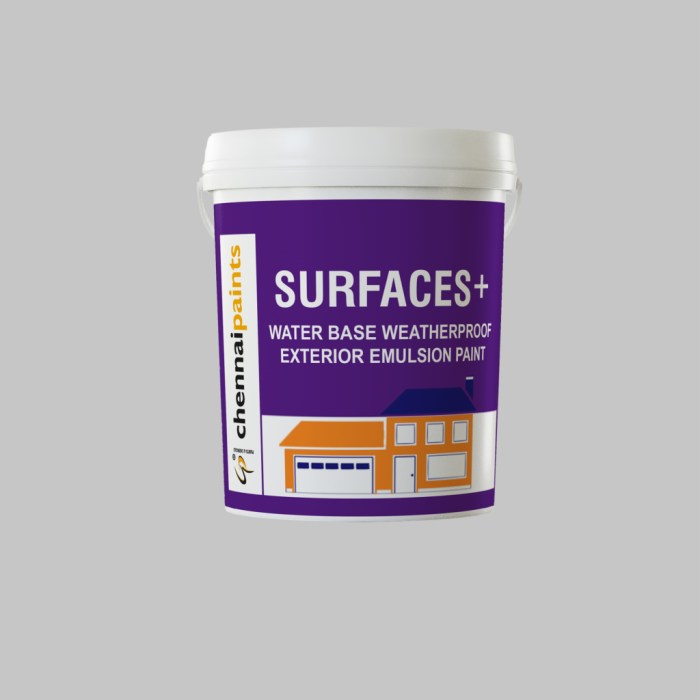
In conclusion, water-proof exterior paint solutions offer a blend of functionality and aesthetics, transforming your exteriors with lasting protection and beauty.
FAQ Corner
How important is it to use water-proof exterior paint?
Water-proof exterior paint is crucial as it provides protection against moisture, prolonging the life of your surfaces.
What are the common challenges with traditional exterior paint?
Traditional exterior paint tends to peel, crack, and fade quicker when exposed to harsh weather conditions compared to water-proof options.
How often do I need to reapply water-proof exterior paint?
The frequency of reapplication depends on the type of paint used and the environmental factors affecting your surfaces.