
Choosing the best flooring for your home remodel is a crucial decision that can significantly impact the look and feel of your space. From hardwood to laminate, vinyl to tile, each material brings its unique characteristics to the table. Let's delve into the world of flooring options and discover what suits your home best.
Types of Flooring Materials
When it comes to choosing the right flooring material for your home remodel, there are several options to consider. Each type of flooring material has its own unique characteristics, durability, and maintenance requirements. Let's take a closer look at some of the most popular choices: hardwood, laminate, vinyl, tile, and carpet.
Hardwood Flooring
Hardwood flooring is known for its timeless beauty and durability. It adds warmth and elegance to any room. Hardwood floors are relatively easy to maintain, requiring regular sweeping and occasional refinishing to keep them looking their best.
Laminate Flooring
Laminate flooring is a budget-friendly option that mimics the look of hardwood or tile. It is easy to install and maintain, making it a popular choice for DIY projects. Laminate floors are durable and resistant to scratches and stains, making them ideal for high-traffic areas.
Vinyl Flooring
Vinyl flooring is a versatile and affordable option that comes in a wide range of styles and colors. It is water-resistant and easy to clean, making it perfect for kitchens and bathrooms. Vinyl flooring is also durable and can withstand heavy foot traffic.
Tile Flooring
Tile flooring is a popular choice for areas prone to moisture, such as bathrooms and kitchens. It is durable, easy to clean, and comes in a variety of materials, including ceramic, porcelain, and natural stone. Tile floors can last for decades with proper maintenance.
Carpet Flooring
Carpet flooring is comfortable underfoot and provides insulation and soundproofing benefits. It comes in a wide range of styles, colors, and textures to suit any decor. Carpet requires regular vacuuming and occasional deep cleaning to maintain its appearance and prolong its lifespan.
Factors to Consider
When choosing the best flooring for a home remodel, there are several factors to consider to ensure you make the right choice for your space. Factors such as room functionality, lifestyle, and budget play a crucial role in determining the most suitable flooring material for your home.
It's essential to select a flooring type that not only enhances the aesthetic appeal of your space but also meets the practical needs of your household.
Room Functionality
The first factor to consider when choosing flooring for your home remodel is the functionality of the room. Different rooms have different requirements when it comes to flooring. For example, high-traffic areas like the kitchen and living room may benefit from durable and easy-to-clean flooring options such as tile or hardwood.
On the other hand, bedrooms may require softer flooring materials like carpet or cork for added comfort.
Lifestyle
Your lifestyle also plays a significant role in determining the best flooring for your home. If you have pets or young children, you may want to opt for scratch-resistant and waterproof flooring options that can withstand heavy use. Additionally, if you enjoy entertaining guests frequently, you may want to choose flooring that is easy to maintain and clean.
Budget
Setting a budget for your flooring project is essential to narrow down your options and find a material that fits within your financial constraints. Consider the cost of materials, installation, and maintenance when selecting the best flooring for your home remodel.
Keep in mind that while some flooring materials may have a higher upfront cost, they may be more cost-effective in the long run due to their durability and longevity.
Matching Flooring Colors and Styles
When selecting flooring for your home remodel, it's crucial to consider how the color and style of the flooring will complement your existing home decor. Choose flooring colors and patterns that harmonize with the overall aesthetic of your space to create a cohesive look.
For example, if you have a modern and minimalist decor style, you may want to opt for sleek and neutral flooring options like concrete or laminate. If you have a more traditional or rustic decor, hardwood or natural stone flooring can add warmth and character to your home.
Installation Process
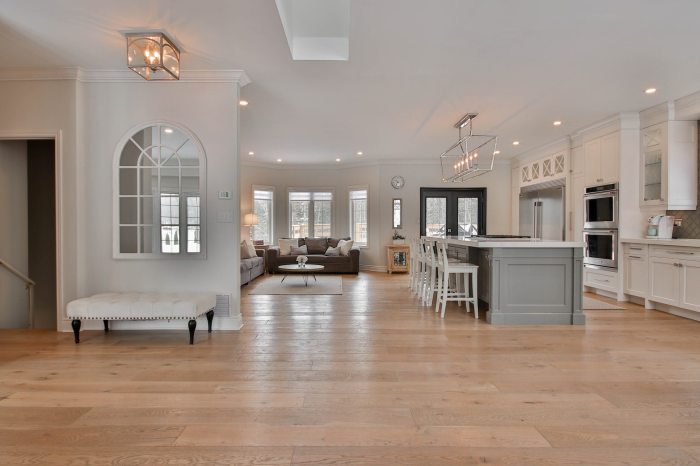
When it comes to installing different types of flooring materials, the process can vary significantly depending on the material being used. It's essential to understand the installation steps, tools required, and potential challenges that may arise during the process.
Hardwood Flooring
- Start by preparing the subfloor, ensuring it is clean and level.
- Acclimate the hardwood planks in the room for a few days before installation.
- Begin laying the planks from one corner of the room, working towards the opposite wall.
- Use a flooring nailer to secure the planks in place.
- Finish by adding baseboards or trim to complete the look.
Laminate Flooring
- Clean and level the subfloor before installation.
- Begin laying the laminate planks, ensuring to leave an expansion gap around the edges.
- Interlock the planks using the click-and-lock system.
- Trim the edges and add transitions where necessary.
Tile Flooring
- Prepare the subfloor with cement backer board for better adhesion.
- Plan the layout and start setting the tiles with mortar.
- Use spacers to maintain consistent grout lines.
- Allow the mortar to dry before grouting the tiles.
Tools and Equipment
- DIY Installation: Basic tools like a tape measure, saw, hammer, and level may be sufficient.
- Professional Installation: In addition to basic tools, professionals may use specialized equipment like flooring nailers, tile cutters, or grout floats.
Common Challenges and Solutions
- Uneven Subfloor: Address by leveling the subfloor with self-leveling compound.
- Moisture Issues: Use a moisture barrier or sealant to prevent damage to the flooring material.
- Improper Installation: Follow manufacturer guidelines carefully to avoid mistakes that could impact the durability of the flooring.
Cost Comparison
When planning a home remodel, one of the key factors to consider is the cost of different flooring materials. The cost of flooring not only includes the upfront installation expenses but also the long-term maintenance costs. Let's break down the cost of various flooring options and explore cost-effective choices for quality materials.
Hardwood Flooring
Hardwood flooring is a popular choice for homeowners due to its durability and timeless appeal. The upfront cost of hardwood flooring can range from $8 to $15 per square foot, depending on the type of wood. However, it is essential to consider the long-term maintenance costs, including refinishing and repairs, which can add to the overall expenses.
Laminate Flooring
Laminate flooring is a cost-effective alternative to hardwood, offering a similar look at a fraction of the price. The upfront cost of laminate flooring is typically between $2 to $8 per square foot, making it a budget-friendly option for home remodels.
While it may not have the same longevity as hardwood, laminate flooring is easy to maintain and can withstand high traffic areas.
Vinyl Flooring
Vinyl flooring is another affordable choice for homeowners, with prices ranging from $1 to $5 per square foot. This versatile flooring option comes in a variety of styles and colors, mimicking the look of natural materials like hardwood or stone.
Vinyl flooring is also easy to install and maintain, making it a cost-effective solution for those on a budget.
Tile Flooring
Tile flooring is a durable and versatile option for high-moisture areas like kitchens and bathrooms. The cost of tile flooring can vary depending on the type of tile, with prices typically ranging from $2 to $10 per square foot. While the upfront costs of tile flooring may be higher than other options, its longevity and low maintenance requirements make it a cost-effective investment in the long run.
Summary
As we conclude our exploration of the best flooring for home remodel, remember that the right choice can elevate your home's aesthetics and functionality. Whether you opt for the timeless appeal of hardwood or the easy maintenance of vinyl, your flooring decision plays a key role in transforming your living spaces.
FAQ Guide
What is the most durable flooring option for high-traffic areas?
For high-traffic areas like hallways or kitchens, consider durable options like tile or laminate flooring that can withstand heavy use without showing signs of wear.
Is hardwood flooring a good choice for humid environments?
Hardwood flooring can be prone to warping in humid environments. Consider engineered hardwood or tile flooring for areas with high moisture levels.
Can I install laminate flooring over existing tile floors?
Yes, laminate flooring can be installed over existing tile floors as long as the surface is flat, clean, and in good condition. Use underlayment to create a smooth base for the new laminate planks.