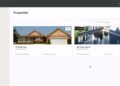
Vacation property management opens the door to a world of possibilities, each filled with its unique challenges and rewards. From marketing strategies to legal considerations, this comprehensive guide delves into the intricacies of managing vacation properties with a keen eye for detail and expertise.
As we explore the different aspects of vacation property management, you'll gain valuable insights that will help you navigate this dynamic industry with confidence and finesse.
Introduction to Vacation Property Management
Vacation property management involves overseeing properties that are rented out for short-term stays, typically for leisure purposes. It is essential for property owners who want to maximize their rental income and maintain the quality of their properties.
Managing vacation properties differs from regular rental properties in several ways. Vacation rentals require more frequent turnovers, as guests come and go more frequently. Additionally, vacation properties often require more attention to detail in terms of presentation and amenities to attract guests looking for a memorable vacation experience.
Unique Challenges and Benefits of Managing Vacation Properties
- Vacation properties often require higher maintenance standards to keep up with guest turnover and ensure a positive experience for renters.
- Marketing vacation properties can be more competitive and require a targeted approach to attract the right guests.
- Managing guest expectations and providing excellent customer service are crucial in the vacation rental industry to ensure positive reviews and repeat business.
- One of the benefits of managing vacation properties is the potential for higher rental income compared to long-term rentals, especially in popular tourist destinations or during peak seasons.
- Flexibility in booking schedules allows for owners to use their properties for personal vacations while still generating income during other times.
Marketing Strategies for Vacation Property Management
Effective marketing strategies play a crucial role in attracting guests to vacation rental properties. By targeting the right audience and utilizing online platforms and social media, property managers can increase visibility and bookings.
Targeting the Right Audience
Identifying the ideal audience for vacation properties is essential for successful marketing. Consider factors such as location, property size, amenities, and nearby attractions to determine the target demographic. Tailoring marketing efforts to appeal to specific groups, such as families, couples, or adventure seekers, can help maximize bookings.
Utilizing Online Platforms and Social Media
Online platforms and social media are valuable tools for marketing vacation rental properties. Listing properties on popular vacation rental websites like Airbnb, VRBO, and Booking.com can increase visibility and attract potential guests. Engaging with travelers on social media platforms like Instagram and Facebook through visually appealing content and promotions can also help drive bookings.
Operations and Maintenance
Managing a vacation property involves a variety of day-to-day tasks that are crucial for the overall success of the rental. From maintenance to ensuring guest satisfaction, every aspect plays a vital role in the operation of vacation rental properties.
Key Tasks in Day-to-Day Operations
- Responding to guest inquiries and bookings promptly to ensure a seamless booking process.
- Coordinating check-ins and check-outs efficiently to provide a smooth experience for guests.
- Regularly inspecting the property for any maintenance issues and addressing them promptly.
- Managing cleaning schedules to maintain a high standard of cleanliness for guest satisfaction.
- Handling any guest concerns or issues quickly and effectively to ensure a positive guest experience.
Importance of Maintenance Schedules
Maintenance schedules are essential for vacation properties to ensure that the property is in top condition for guests. Regular maintenance helps prevent costly repairs and ensures that the property is safe and comfortable for guests to enjoy their stay.
Ensuring Cleanliness, Safety, and Guest Satisfaction
Ensuring cleanliness, safety, and overall guest satisfaction is paramount in vacation rental properties. This can be achieved through:
- Implementing thorough cleaning procedures between guest stays.
- Regularly inspecting and maintaining safety features such as smoke detectors and fire extinguishers.
- Providing clear instructions and information for guests regarding safety protocols and emergency procedures.
- Soliciting feedback from guests to continuously improve and enhance the guest experience.
Guest Experience and Communication
Enhancing the guest experience in vacation rental properties is crucial for building a positive reputation and attracting repeat visitors. Providing a seamless and enjoyable stay can lead to glowing reviews and recommendations, ultimately boosting bookings and revenue. Effective communication plays a key role in ensuring guests feel valued and cared for throughout their entire experience, from the moment they inquire about a property to after they check out.
Importance of Effective Communication
Good communication with guests can set the tone for their entire stay and significantly impact their overall experience. By being responsive, informative, and accommodating, property managers can build trust and rapport with guests, leading to higher satisfaction levels and positive reviews.
Clear and timely communication before, during, and after a guest's stay can help address any concerns, provide helpful information, and create a personalized experience that guests will appreciate.
Tips for Handling Guest Inquiries, Feedback, and Reviews
- Respond promptly: Acknowledge guest inquiries and messages in a timely manner to show that their needs are a priority.
- Be attentive: Listen to guest feedback and address any issues or concerns promptly and professionally to ensure a positive resolution.
- Personalize the experience: Take the time to understand guests' preferences and needs to provide a personalized experience that exceeds their expectations.
- Show gratitude: Express appreciation for guest reviews, whether positive or constructive, and use feedback to improve the overall guest experience.
- Maintain professionalism: Handle guest inquiries, feedback, and reviews with professionalism and courtesy, even in challenging situations, to uphold the property's reputation.
Legal and Financial Considerations
When it comes to vacation property management, there are important legal and financial considerations that need to be taken into account to ensure smooth operations and compliance with regulations.
Rental Agreements and Insurance
One of the key legal aspects of vacation property management is having solid rental agreements in place. These agreements should clearly Artikel the terms and conditions of the rental, including payment schedules, cancellation policies, and any rules or restrictions for guests.
It is crucial to have these agreements reviewed by a legal professional to ensure they are legally binding and protect both the property owner and the guests.
Additionally, having the right insurance coverage is essential for vacation rental properties. This includes liability insurance to protect against accidents or injuries that may occur on the property, as well as property insurance to cover any damages or losses. It is important to regularly review and update insurance policies to ensure they provide adequate coverage for the property.
Financial Considerations
When it comes to pricing strategies for vacation properties, it is important to consider factors such as location, amenities, seasonality, and market demand. Pricing too high can deter potential guests, while pricing too low can result in lost revenue. Conducting market research and staying up-to-date on pricing trends in the area can help property managers set competitive rates.
Another financial consideration is taxes, which can vary depending on the location of the property. It is important to understand the tax obligations associated with vacation rental properties, including income taxes, occupancy taxes, and any other local taxes that may apply.
Properly budgeting for these taxes is essential to avoid any financial surprises.
Compliance with Local Regulations
Complying with local regulations and zoning laws is crucial for vacation rental properties. This includes obtaining any necessary permits or licenses, following occupancy limits, and adhering to any restrictions on rental durations or property use. Failure to comply with these regulations can result in fines, legal issues, or even the closure of the property.
Property managers should stay informed about any changes in regulations and ensure that their properties are always in compliance.
Technology and Tools for Vacation Property Management

Technology plays a crucial role in streamlining various tasks related to vacation property management. From software solutions to smart home devices, there are numerous tools available to enhance efficiency and guest experience.
Software Solutions for Managing Vacation Rental Properties
When it comes to managing vacation rental properties, investing in the right software can make a significant difference. Here are some popular software solutions used in the industry:
- Property Management Systems (PMS) - These platforms help automate reservations, guest communication, and maintenance tasks.
- Channel Managers - Allow property managers to sync their property listings across multiple booking platforms, reducing the risk of double bookings.
- Booking Engines - Enable guests to book directly through the property's website, increasing direct bookings and revenue.
Benefits of Using Smart Home Devices and Automation
Smart home devices and automation have revolutionized the way vacation properties are managed. Here are some benefits of incorporating these technologies:
- Remote Access - Property managers can monitor and control devices such as thermostats, locks, and security cameras from anywhere, enhancing security and convenience.
- Energy Efficiency - Smart devices can help reduce energy consumption and costs by automatically adjusting settings based on occupancy.
- Enhanced Guest Experience - Automation can provide guests with a seamless and personalized stay, from self-check-in to customized settings.
Closing Summary
In conclusion, mastering the art of vacation property management requires a delicate balance of strategy, communication, and innovation. By implementing the tips and strategies Artikeld in this guide, you'll be well-equipped to create memorable experiences for guests while maximizing the potential of your vacation rental property.
Popular Questions
What are some key differences between managing regular rental properties and vacation properties?
Managing vacation properties often requires more frequent turnover, higher cleaning standards, and a focus on guest experience compared to regular rental properties.
How can I effectively target the right audience for my vacation property?
Utilize targeted marketing campaigns, leverage social media platforms, and highlight unique features of your vacation property to attract the ideal audience.
What legal aspects should I consider when managing a vacation property?
Legal considerations include rental agreements, insurance coverage, and compliance with local regulations to ensure a smooth operation.